

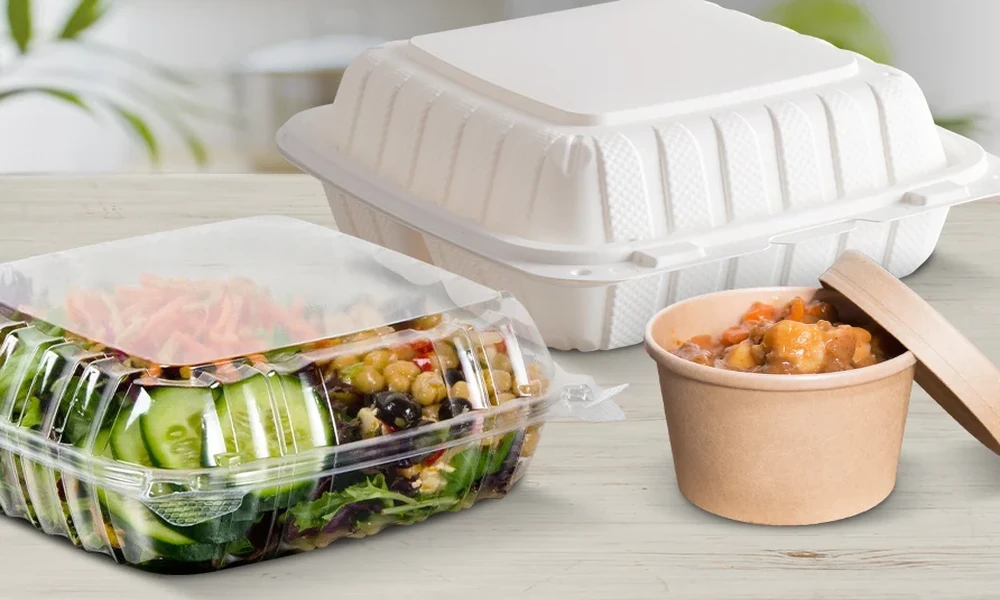
Every container that holds food in Singapore has to do more than look neat. It must be safe for the food it touches, suitable for the temperatures involved and appropriate for how the food will be stored and reheated. Businesses sourcing food packaging singapore need to understand both food safety expectations and how different materials behave. This article explains the main considerations, so food operators can choose packaging that protects customers and complies with requirements.
Why Packaging Is a Food Safety Issue
Packaging comes into direct contact with food, sometimes for hours or days. If unsuitable materials are used, chemicals can migrate into the food, particularly with heat, oil or acidic contents. Damaged packaging can also allow contamination by bacteria, dust or pests. For this reason, packaging is part of a food business’s overall food safety system rather than an afterthought. Choosing the right materials reduces risks for customers and the business. Inspectors and auditors may also ask how packaging is selected and stored as part of a wider food safety review. A cracked lid or a split seal can undo good hygiene in the kitchen within minutes.
Food Safety Oversight in Singapore
The Singapore Food Agency oversees food safety, including requirements that food packaging should not make food unsafe. The Food Regulations include provisions on packaging materials that come into contact with food. Food businesses are expected to use packaging suitable for food contact. Suppliers should be able to confirm that their products are intended for food use and provide relevant information when asked. Businesses that export may also need to meet the rules of destination markets, which can be stricter.
Common Packaging Materials
Different plastics have different properties. Commonly used materials include:
- Polypropylene (PP), widely used for microwavable containers
- PET, often used for clear cold food containers and bottles
- Polystyrene (PS), used for some cups and lids
- High-density polyethylene (HDPE), used for bottles and containers
- Paper and paperboard, often lined or coated
Understanding these materials helps businesses choose packaging suited to their food.
Temperature and Heat Resistance
Temperature is one of the most important considerations. Hot food, oily dishes and reheating can affect some plastics. Polypropylene generally tolerates higher temperatures and microwaving better than PET or polystyrene. Cold foods such as salads and desserts may suit clear PET containers. Using packaging outside its intended temperature range can cause warping, leaks or migration of substances. Always check the supplier’s guidance on temperature limits. Many containers carry symbols on the base indicating microwave, freezer or dishwasher suitability, which are worth checking.
Oily, Acidic and Wet Foods
Foods high in oil, acid or moisture can interact more strongly with packaging. Curries, sauces, pickles and fried foods may affect certain materials or coatings. Paper-based packaging may soften with wet foods unless properly lined. Selecting packaging designed for these types of food helps maintain safety and quality. Testing packaging with actual menu items reveals any issues before full rollout. Leaving a filled container overnight in a chiller, then checking for softening, staining or leaks, is a simple test. Lined paper boxes, for example, may cope with a dry noodle dish but not with a soupy curry.
Microwave and Freezer Use
Customers often reheat or freeze food in its original container. Packaging should be clearly labelled if it is microwave-safe or freezer-safe. Not all containers are suitable for both. Freezing can make some plastics brittle, while microwaving can deform others. Clear labelling and customer instructions help prevent accidents and maintain food safety after purchase. Reheating instructions printed on a sticker or sleeve also reduce the risk of customers overheating food. Some caterers add a printed line on the lid that simply states whether the container can be reheated.
Hygiene in Storage and Handling
Even food-safe packaging must be stored properly. Containers should be kept in clean, dry areas away from chemicals and pests. Packaging should remain sealed until use and be handled with clean hands or gloves. Damaged or dirty packaging should be discarded. These practices form part of good hygiene routines, and anyone buying food packaging singapore in bulk should plan storage space accordingly. Rotating packaging stock on a first-in, first-out basis prevents old cartons sitting at the back of a storeroom for months.
Labelling Requirements
Pre-packed food sold to consumers must carry labels meeting regulatory requirements, including product name, ingredients, net quantity and the name and address of the manufacturer or importer, among other details. Packaging must leave room for these labels. For businesses selling pre-packed products, choosing packaging that accommodates labels clearly is an important practical consideration. Allergen information is especially important for pre-packed foods.
Questions to Ask Packaging Suppliers
When sourcing packaging, businesses can ask:
- Is this product intended for food contact?
- What temperature range is it suitable for?
- Is it microwave-safe or freezer-safe?
- What material is it made from?
- Is it recyclable locally?
Clear answers help businesses make informed decisions.
Making Safe Packaging Choices
Food packaging protects both food and customers. Understanding materials, temperatures and food safety expectations helps businesses choose wisely. Working with knowledgeable suppliers simplifies the process. For a range of food-contact containers suited to different menus, a food-grade packaging supplier in Singapore can provide product information and recommendations. Keeping the supplier’s product specifications on file also helps during audits.
