

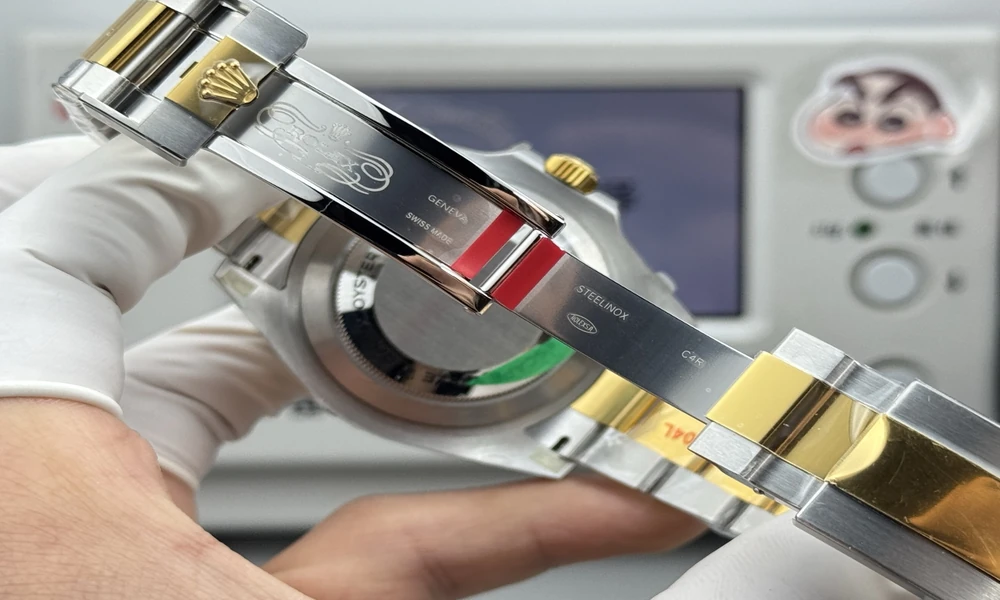
Stainless steel 904L is often used in luxury watches because of its corrosion resistance. This alloy contains more nickel and chromium than many stainless steels. Moisture and other environmental conditions are protected by this. Watch cases and bracelets prone to perspiration and water are ideal candidates for this material. Choosing 904L stainless steel when comparing watch materials through reptime watches shows how the metal affects both appearance and performance. For exterior parts, some luxury watchmakers use this alloy because it’s corrosion-resistant. Cases and bracelets get the perfect finish you expect from premium watches.
Why is corrosion resistance critical?
Regular wear exposes a watch to sweat, moisture, rain, and saltwater. Moisture around bracelet links and case connections can cause metal to corrode. Watch parts are protected by corrosion-resistant steel. When 904L stainless steel comes into contact with moisture, chrome forms a protective layer that prevents corrosion. Copper and nickel contribute to the alloy’s corrosion resistance in certain chemical environments, while molybdenum protects against pitting. Stainless steels with less corrosion-resistant properties struggle to handle 904L’s properties. Wearing watches in different environments affects their exterior condition. Surface corrosion protection occurs naturally on metal, so no coating is needed. Bracelets and other exposed parts still need regular cleaning because sweat and dirt can collect there.
How does 904L improve appearance?
Watch cases and bracelets of expensive watches often reveal their details as a result of their reflective surfaces. A stainless steel 904L component can be polished and brushed at the same time in order to achieve the desired results. The polishing process gives 904L stainless steel a smooth surface that reflects light and can be used to highlight the shape of the watch case. The process of brushing creates a softer appearance to the metal and also makes it easier to notice certain design details as a result of a less reflective finish.
These methods are often combined by watchmakers in order to create a clear distinction between the individual parts of a case and the bracelet itself. Alloy also protects the finish from corrosion, which can occur as a result of regular contact with moisture and perspiration that occurs over time. This matters for watches people wear throughout the day because exposed metal can come into contact with different environmental conditions.
Why choose 904L over 316L?
A watch case or bracelet made of stainless steel 316L offers superior corrosion resistance. Certain alloying elements must be added to 904L in some environments. Depending on the humidity or saltiness of the environment, this difference can make a big difference. Its main advantages include:
- Greater chloride resistance – 904L provides better protection against certain types of corrosion caused by salty environments.
- Protection against localised corrosion – Its alloy composition reduces the risk of pitting and crevice corrosion around exposed surfaces and small gaps.
- Surface finishing – Watchmakers can polish or brush the metal to create textures used in premium watch cases and bracelets.
- Long-term material stability – Its resistance to corrosion helps maintain exposed metal surfaces during regular use and moisture contact.
Stainless steel 904L is a good choice for exterior components used by watchmakers. This watch may not suit every watch because of its higher alloy content. Corrosion-resistant stainless steel 904L is ideal for luxury watch cases. Metal can be protected while being polished or brushed due to its composition.
Stainless steel 904L is not always better than 316L. It is important to note that each alloy has its own properties and manufacturing requirements. For watchmakers who require additional corrosion resistance, as well as a metal that is capable of supporting a refined exterior finish, 904L remains a suitable option.
